What Can You Buy Tax-Free With a Resale Certificate? Complete List
One of the biggest benefits of having a resale certificate is the ability to purchase inventory without paying sales tax. But there's often confusion about exactly what qualifies for tax-free treatment and what doesn't.
Use your certificate incorrectly, and you could face audits, penalties, and back taxes. This guide will help you understand exactly what you can - and can't - buy tax-free.
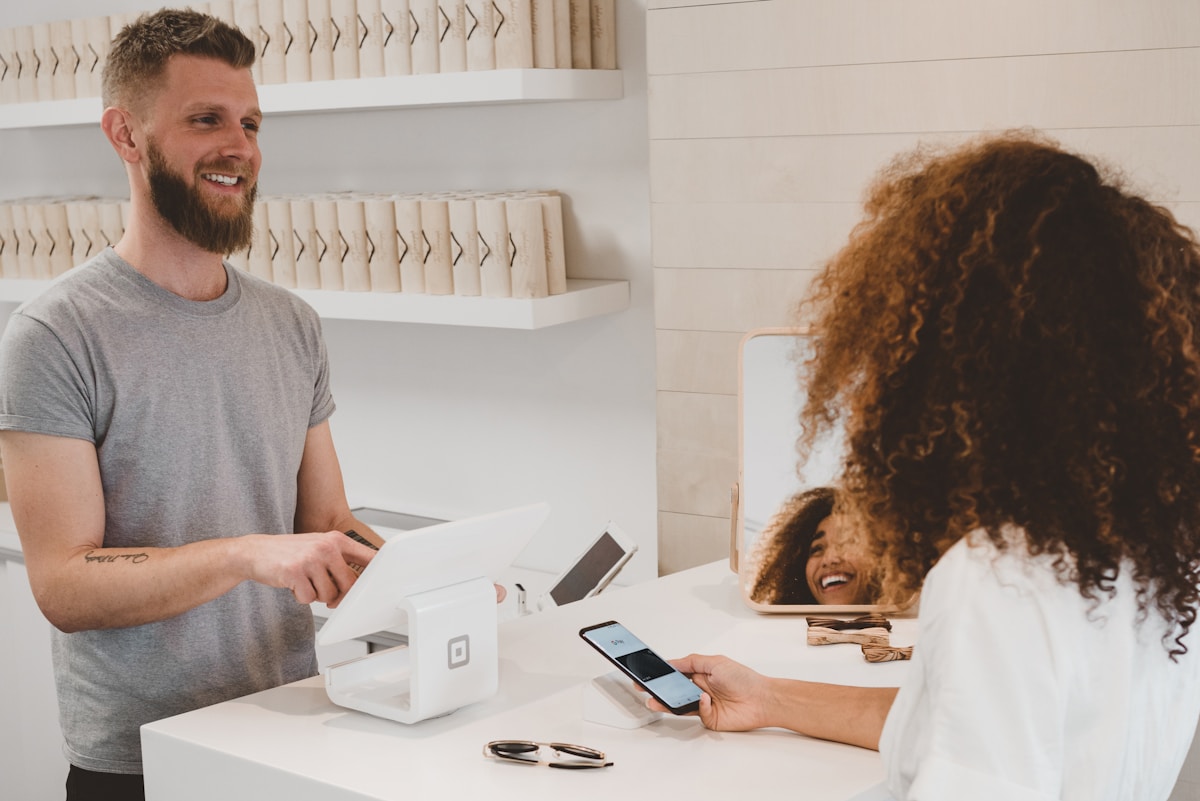 Tax-Free Shopping
The Golden Rule
Before we dive into specifics, remember this fundamental principle:
You can only use your resale certificate for items that will be resold to customers or become part of products that will be resold.
If you're buying something for your own use - whether personal or business - you cannot use your resale certificate.
What You CAN Buy Tax-Free
1. Finished Goods for Resale
Any product you purchase specifically to resell in the same condition qualifies:
Retail Examples:
- Clothing and accessories
- Electronics and gadgets
- Home goods and furniture
- Toys and games
- Books and magazines
- Health and beauty products
- Sporting goods
- Jewelry and watches
- Food products (for resale, not consumption)
The Key Test: Will you sell this exact item to a customer without using or altering it?
2. Raw Materials and Components
Items that become part of a finished product you manufacture and sell:
| Industry | Tax-Free Materials |
|---|---|
| Clothing Manufacturing | Fabric, thread, buttons, zippers, labels |
| Furniture Making | Wood, screws, nails, fabric, foam, hardware |
| Food Production | Ingredients, flavorings, preservatives |
| Electronics Assembly | Circuit boards, wires, chips, cases |
| Jewelry Making | Metals, gems, clasps, chains |
| Cosmetics | Base ingredients, pigments, fragrances |
3. Packaging Materials
Items used to package products for sale:
- Boxes and cartons
- Bags (paper, plastic, cloth)
- Tissue paper and wrapping
- Labels and tags
- Tape used for sealing products
- Packing peanuts and bubble wrap (for product packaging)
- Gift boxes and bags
Important: Packaging materials for shipping orders to customers typically qualify. Office shipping supplies may not.
4. Items for Rental or Lease
Products you purchase to rent to customers:
- Equipment rental inventory
- Party supplies (tables, chairs, linens, tents)
- Tool rental stock
- Vehicle rental fleet
- Costume and formal wear rentals
- AV equipment
- Construction equipment
5. Items Transferred to Customers in Service
In many states, items that become the customer's property as part of a service:
Examples:
- Auto parts installed by a mechanic
- Materials installed by a contractor
- Products used during salon services
- Dental supplies used on patients
- Parts installed during appliance repair
Note: Rules vary significantly by state. Some states tax these differently.
6. Display Items Intended for Sale
Merchandise you display but plan to eventually sell:
- Floor model electronics
- Display clothing
- Sample furniture
- Demo products
Caution: These must be genuinely intended for sale, not permanent fixtures.
What You CANNOT Buy Tax-Free
1. Personal Use Items
Anything for your personal use is never tax-exempt:
- Food you eat
- Clothes you wear
- Electronics you use personally
- Furniture for your home
- Your personal vehicle
- Personal care products
Even if you own a business, personal items don't qualify.
2. Business Operating Supplies
Items used to run your business (not for resale):
| Category | Examples |
|---|---|
| Office Supplies | Paper, pens, staples, printer ink |
| Cleaning Supplies | Mops, cleaning solutions, trash bags |
| Office Furniture | Desks, chairs, filing cabinets |
| Technology | Computers, printers, phones (for your use) |
| Store Fixtures | Shelving, display cases, mannequins |
| Signage | Store signs, banners (unless you sell signs) |
3. Items Given Away Free
Promotional items and giveaways don't qualify:
- Free samples
- Promotional merchandise (branded pens, t-shirts)
- Customer gifts
- Contest prizes
- Marketing materials
4. Consumables Used in Business
Items consumed in your operations:
- Break room snacks and coffee
- Lubricants used on equipment
- Cleaning solvents used in manufacturing
- Safety supplies (gloves, masks)
- Light bulbs for your facility
5. Capital Equipment
Machines and equipment used in production:
- Manufacturing equipment
- Cash registers and POS systems
- Security systems
- Vehicles for business use (not resale)
- Refrigeration units (for your use)
Exception: Some states have separate exemptions for manufacturing equipment.
Industry-Specific Examples
Retail Store Owner
| Tax-Free ✅ | Taxable ❌ |
|---|---|
| Inventory for resale | Cash register |
| Shopping bags for customers | Shopping carts |
| Price tags and labels | Store fixtures |
| Hangers (given to customers) | Office computer |
| Gift boxes | Break room supplies |
Restaurant Owner
| Tax-Free ✅ | Taxable ❌ |
|---|---|
| Food ingredients for menu items | Kitchen equipment |
| Takeout containers | Tables and chairs |
| Napkins and utensils (for customers) | Cleaning supplies |
| Condiment packets | Office supplies |
Note: Restaurant tax rules vary significantly by state.
Auto Repair Shop
| Tax-Free ✅ | Taxable ❌ |
|---|---|
| Parts installed for customers | Shop tools |
| Fluids added to customer vehicles | Lift equipment |
| Filters installed | Cleaning supplies |
| Shop towels |
Online Seller (E-commerce)
| Tax-Free ✅ | Taxable ❌ |
|---|---|
| Products for resale | Computer for listing |
| Shipping boxes and tape | Printer |
| Poly mailers | Photo equipment |
| Labels | Storage shelving |
The Gray Areas
Some purchases fall into gray areas. Here's how to handle them:
Dual-Use Items
Situation: You buy printer ink. Some is for printing shipping labels (business use), some is for a printer you also sell.
Solution: Only the portion for resale qualifies. Keep records to allocate properly, or make separate purchases.
Demo/Display Products
Situation: You buy a TV to display in your store, intending to sell it eventually.
Solution: Generally tax-exempt if genuinely for resale. But if it becomes a permanent fixture, you may owe use tax.
Damaged/Defective Goods
Situation: You bought items for resale, but some were damaged and you kept them for personal use.
Solution: You technically owe use tax on items withdrawn from inventory for personal use.
Drop Shipping
Situation: You never touch the inventory - your supplier ships directly to customers.
Solution: You still need a resale certificate to buy from your supplier tax-free.
State-Specific Considerations
Rules vary by state. Some key differences:
California: Very strict about what qualifies. Packaging materials rules are specific.
Texas: More lenient on packaging and manufacturing supplies.
New York: Complex rules about services and installations.
Florida: Different rules for commercial vs. residential customers.
Always check your specific state's guidelines or consult with a tax professional.
Best Practices
DO:
- Keep your resale certificate readily available
- Maintain records of all tax-exempt purchases
- Track what happens to inventory (sold, returned, personal use)
- Separate personal and business purchases
- Stay updated on your state's rules
DON'T:
- Use your certificate for personal purchases (it's fraud)
- Assume all business purchases qualify
- Mix personal and resale items in one transaction
- Forget to collect sales tax from your customers
- Use an expired certificate
What If You're Audited?
If your state audits your tax-exempt purchases, you'll need to prove:
- You had a valid resale certificate at the time of purchase
- The items were genuinely purchased for resale
- You can account for what happened to those items
Keep detailed records, including:
- Copies of certificates given to suppliers
- Invoices showing tax-exempt purchases
- Sales records showing items were resold
- Inventory records
Key Takeaways
✅ Tax-Free: Inventory for resale, raw materials for products, packaging, items for rental, items transferred to customers in service
❌ Taxable: Personal use, business operating supplies, promotional items, consumables, capital equipment
When in doubt: Pay the sales tax. It's better to overpay than to face audit penalties for improper certificate use.
Get Your Resale Certificate
Ready to start saving on your inventory purchases? Get your resale certificate and start buying tax-free today.
Questions about what qualifies? Contact our team for guidance.